Understanding Compostable Food Packaging
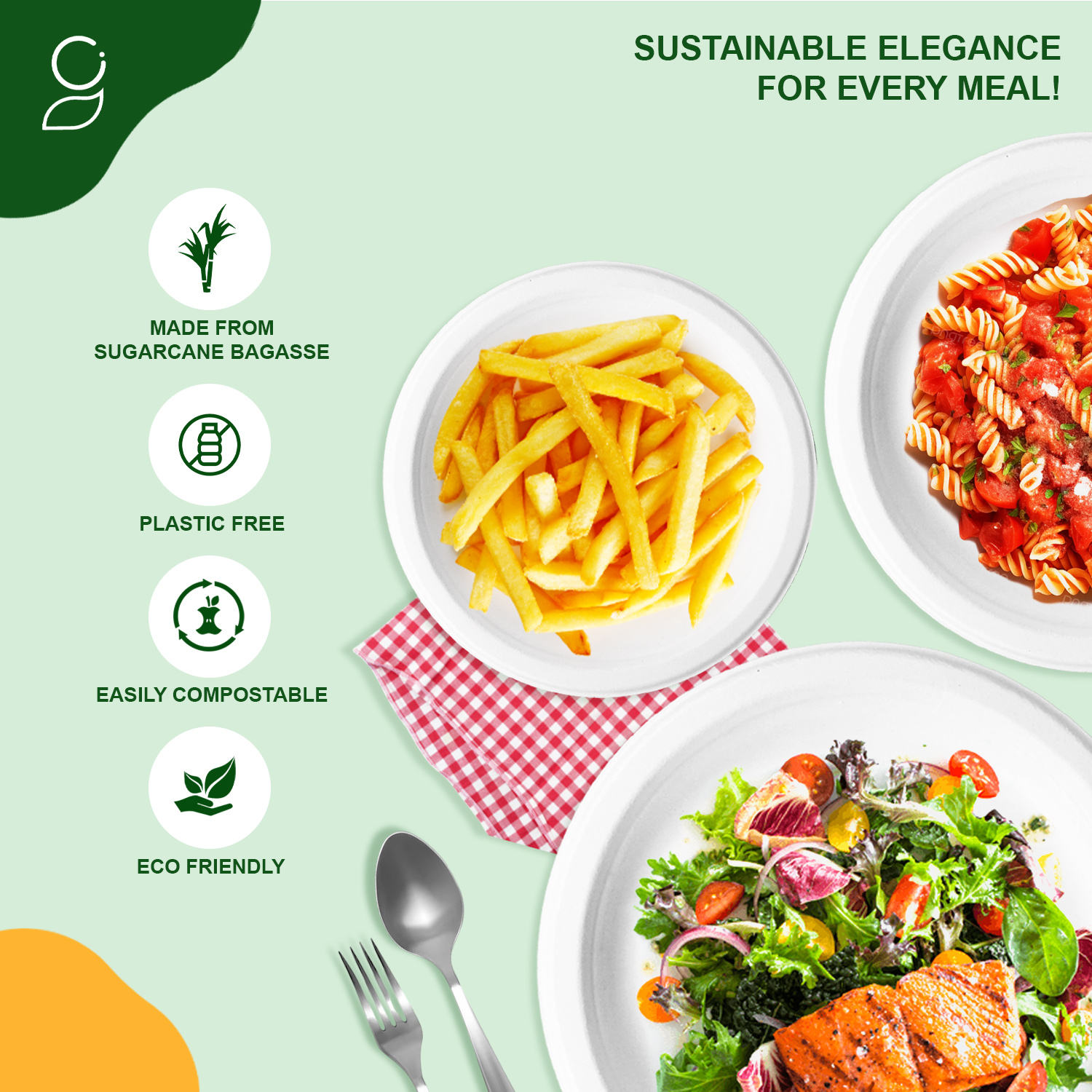
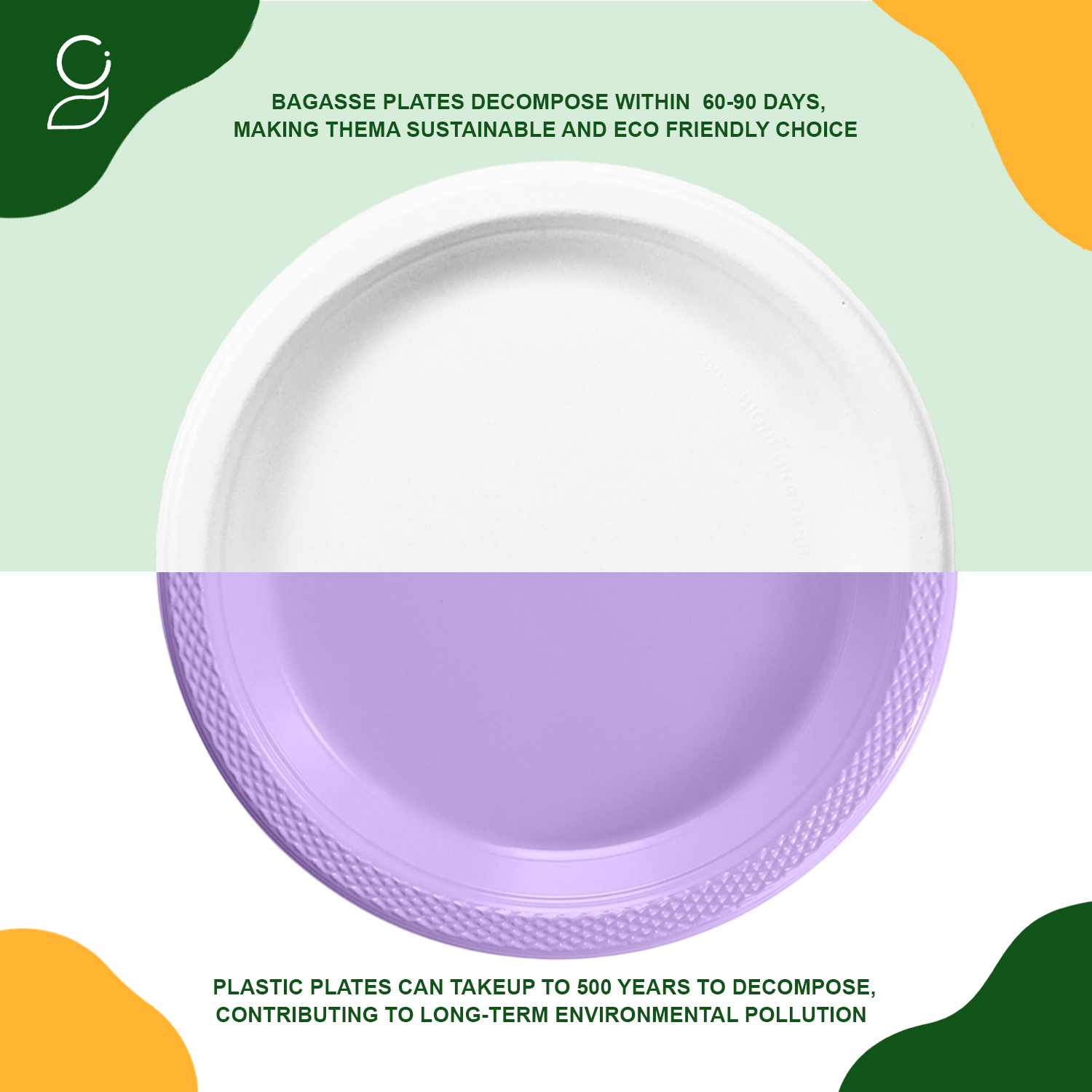
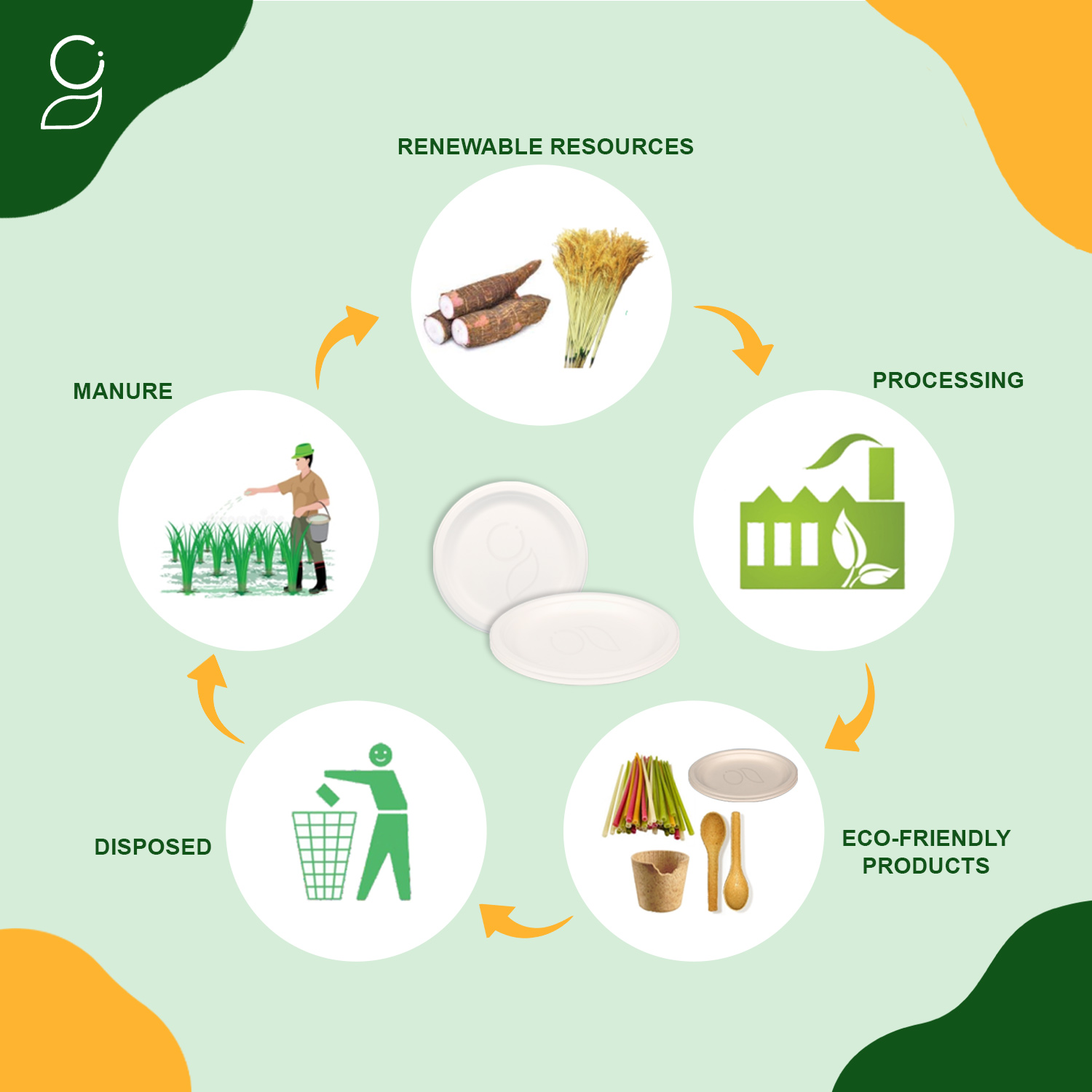
Compostable food packaging represents a fundamental shift in how the food service industry approaches waste. Unlike recyclable packaging that requires energy-intensive processing to be reused, or biodegradable packaging that may take years to break down in uncontrolled conditions, compostable packaging is specifically designed to decompose completely within a defined timeframe under composting conditions. IntuGreen bagasse food packaging achieves full decomposition within 90 days in commercial composting facilities, transforming from a used plate or container into nutrient-rich compost that can enrich agricultural soil.
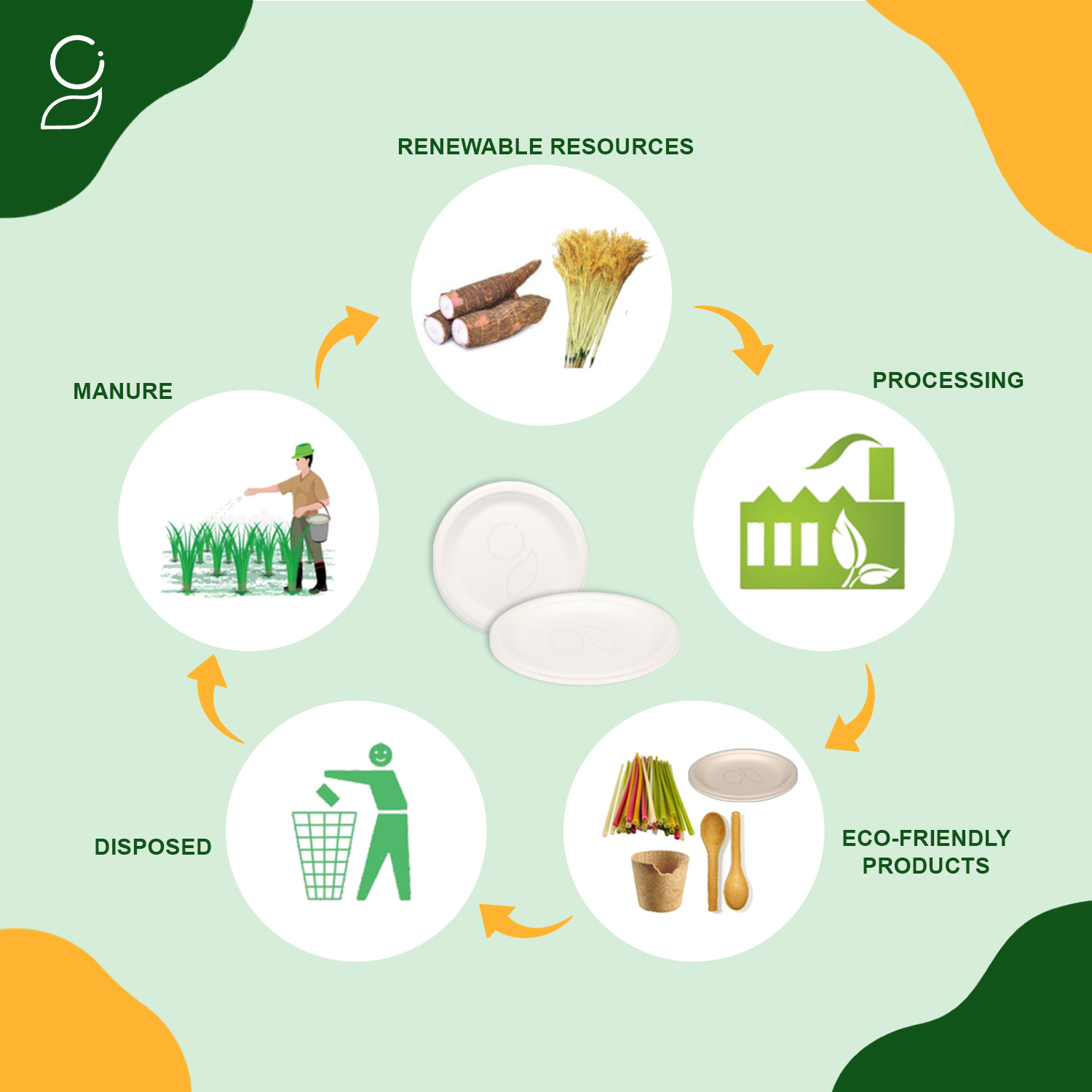
The composting process works because sugarcane bagasse is an organic material composed primarily of cellulose, hemicellulose, and lignin. When placed in a composting environment with the right balance of moisture, oxygen, temperature, and microbial activity, these natural fibres are broken down by bacteria and fungi into simpler organic compounds. The end product is humus, a dark, crumbly, nutrient-dense material that improves soil structure, water retention, and plant growth. This creates a true circular economy where food packaging returns to the earth and supports the growth of new crops.
One of the most significant advantages of IntuGreen compostable food packaging is that it can be composted together with food waste. In traditional waste management, food-soiled plastic or paper containers contaminate recycling streams and end up in landfills. With bagasse packaging, used containers can be collected alongside food scraps and sent directly to composting facilities. This dramatically simplifies waste sorting at events, restaurants, and institutions, reducing contamination in recycling bins and diverting organic waste from landfills where it would otherwise generate methane, a potent greenhouse gas.
IntuGreen ensures that its compostable food packaging meets rigorous standards for both performance and safety. Every product is manufactured without synthetic coatings, plastic linings, or chemical additives that could leave harmful residues in the compost. The products carry FDA certification for food-contact safety, FSSC 22000 certification for manufacturing quality, and Halal certification. For businesses seeking to implement composting programmes, IntuGreen provides guidance on composting infrastructure, waste management partnerships, and best practices for transitioning from plastic to compostable packaging.
Key Benefits
Discover the environmental comparison in our bagasse vs plastic tableware guide or explore our complete eco-friendly disposable tableware range. View all compostable tableware products.
 Eco-Friendly Disposable Tableware
 Bagasse vs Plastic Tableware
 Bagasse Clamshell Boxes
 How Long Does Bagasse Take to Decompose?
 Is Bagasse Tableware Oil Resistant?