Quick Answer
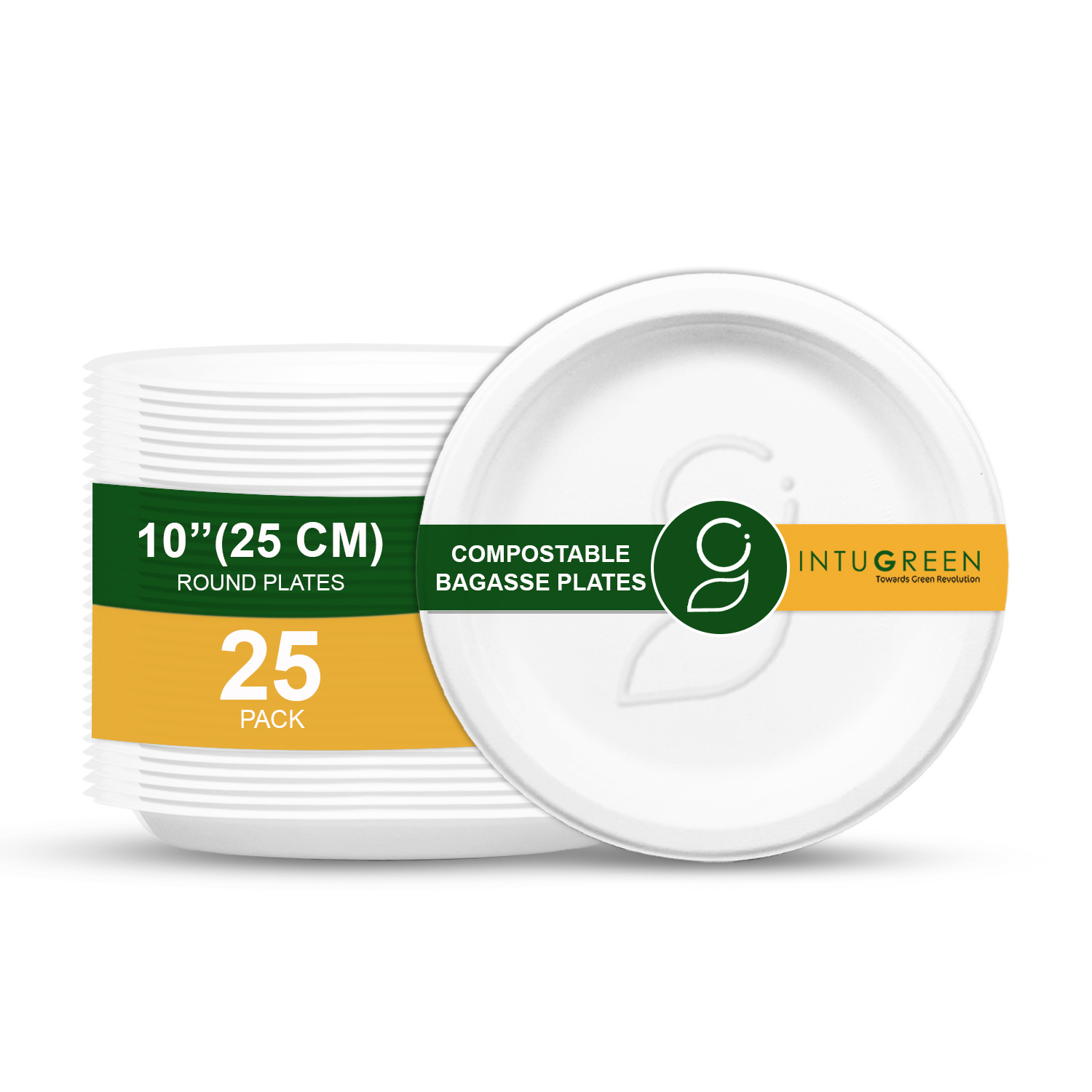
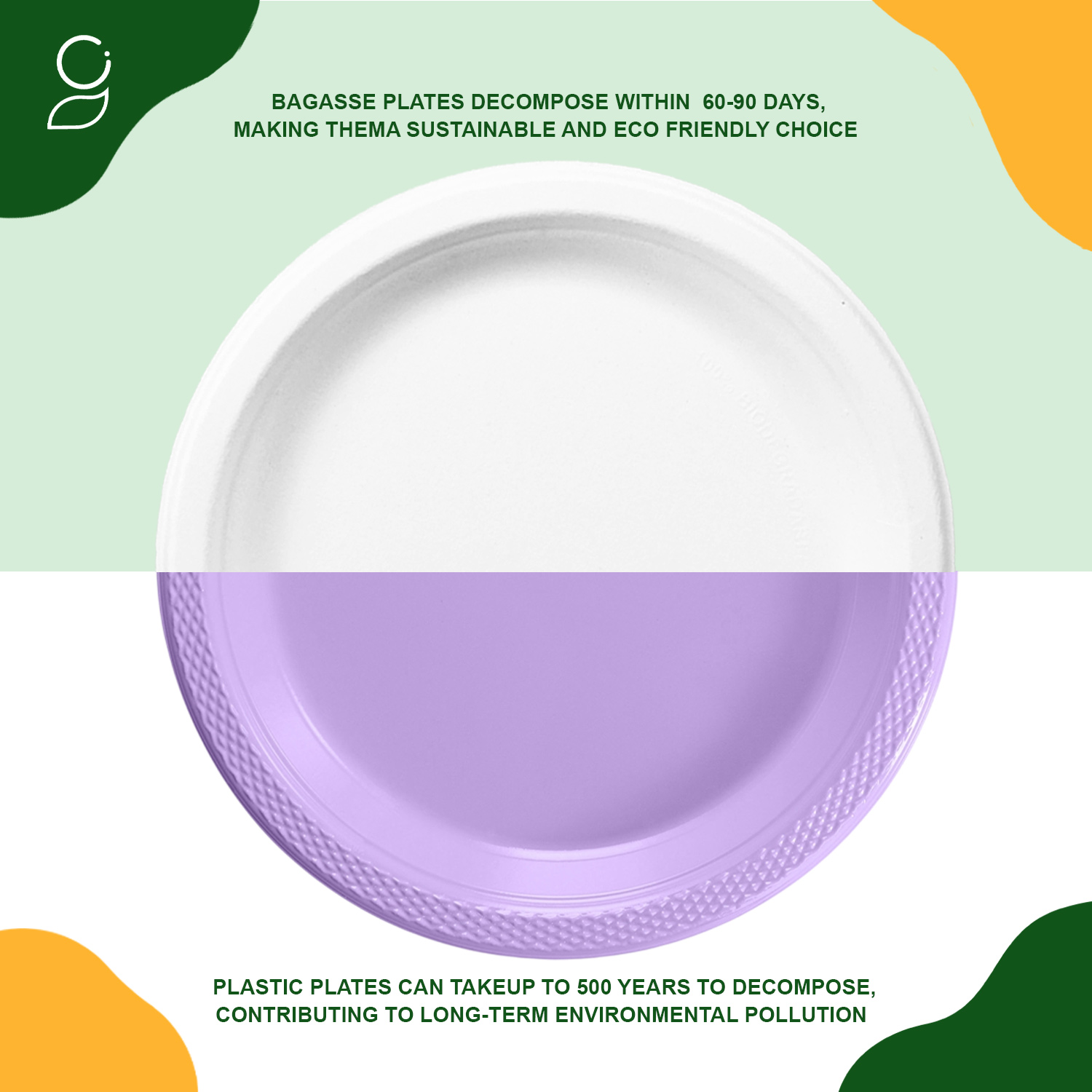
IntuGreen bagasse tableware decomposes within 90 days under standard composting conditions. This is dramatically faster than plastic disposables, which persist in the environment for 200 to 500 years and fragment into harmful microplastics.
Detailed Explanation
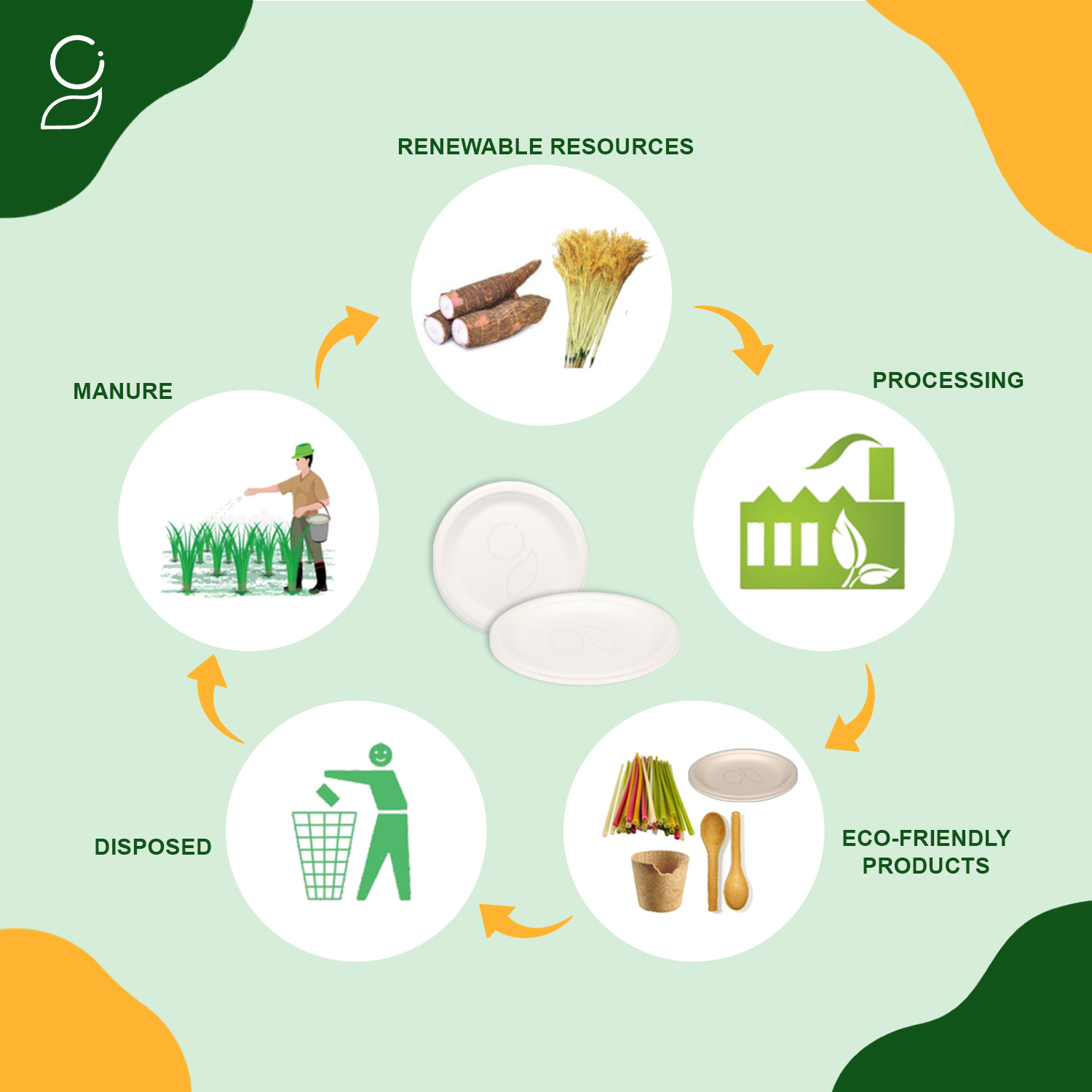
Bagasse tableware is made from natural sugarcane fibres, which are rich in cellulose and lignin. When placed in a composting environment—whether an industrial composting facility or a well-maintained home compost bin—microorganisms break down these organic fibres within approximately 90 days. The result is nutrient-rich compost that can be used to enrich soil.
The decomposition timeline can vary slightly depending on environmental factors such as moisture, temperature, and microbial activity. In tropical climates like India, where warmth and humidity accelerate biological processes, bagasse may decompose even faster. In cooler, drier conditions, the process may take slightly longer but will still complete naturally.
Unlike plastic, which breaks into microplastics that contaminate soil, waterways, and marine ecosystems, bagasse leaves no toxic residues behind. It simply returns to the earth as organic matter. This makes it a truly circular material—grown from the soil, used briefly, and returned to the soil.
For businesses and consumers seeking to reduce their environmental footprint, switching from plastic to bagasse tableware is one of the most impactful steps. Every single biodegradable bagasse plate or container that replaces a plastic one prevents centuries of pollution.
Related Question
You might also want to know: Bagasse vs Plastic: Which Is Better for the Environment?
 Bagasse vs Plastic: Which Is Better?
 What Is Bagasse Tableware Made From?
 Is Bagasse Tableware Oil Resistant?
 Bagasse Tableware Products