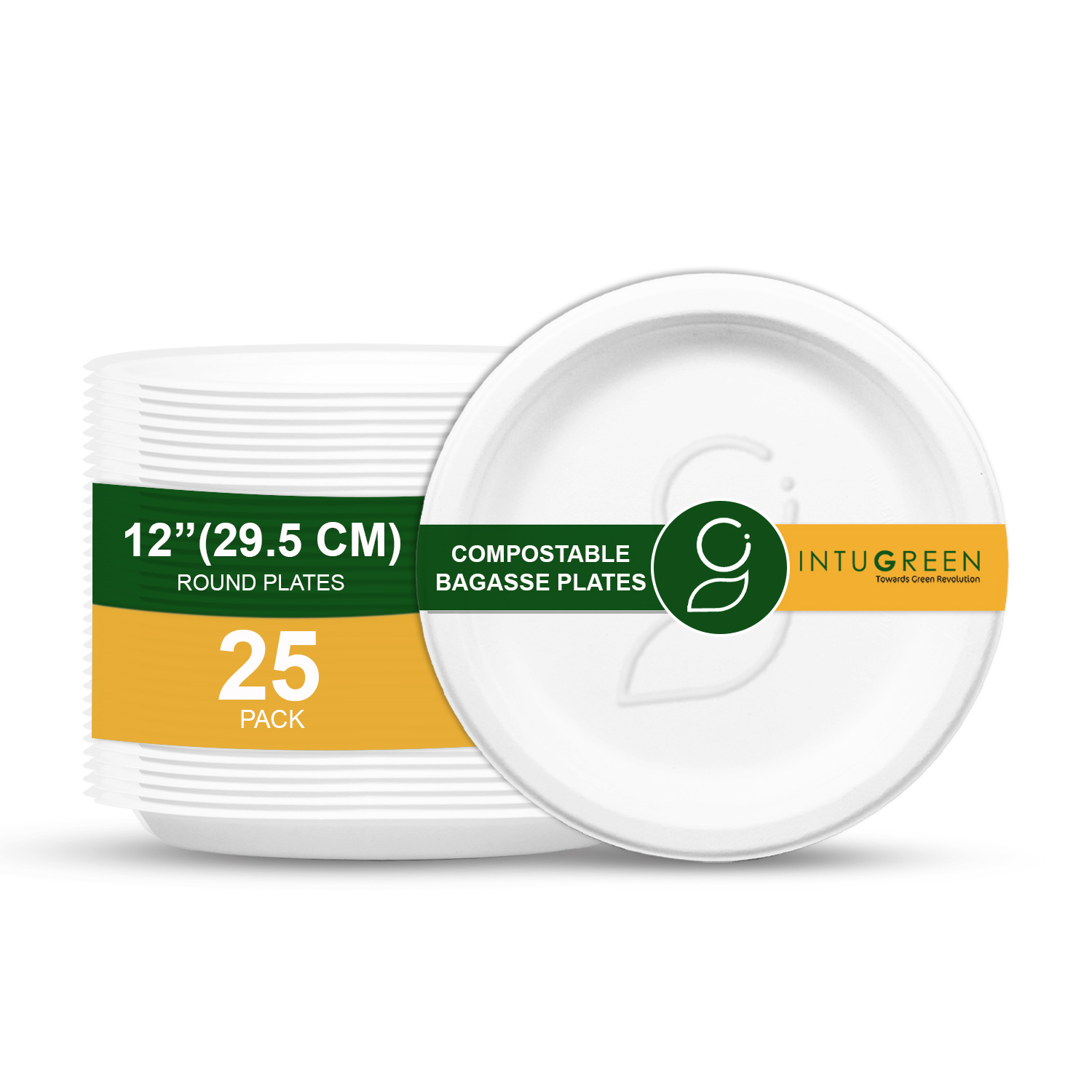
Bagasse vs Plastic Tableware: The Complete Comparison
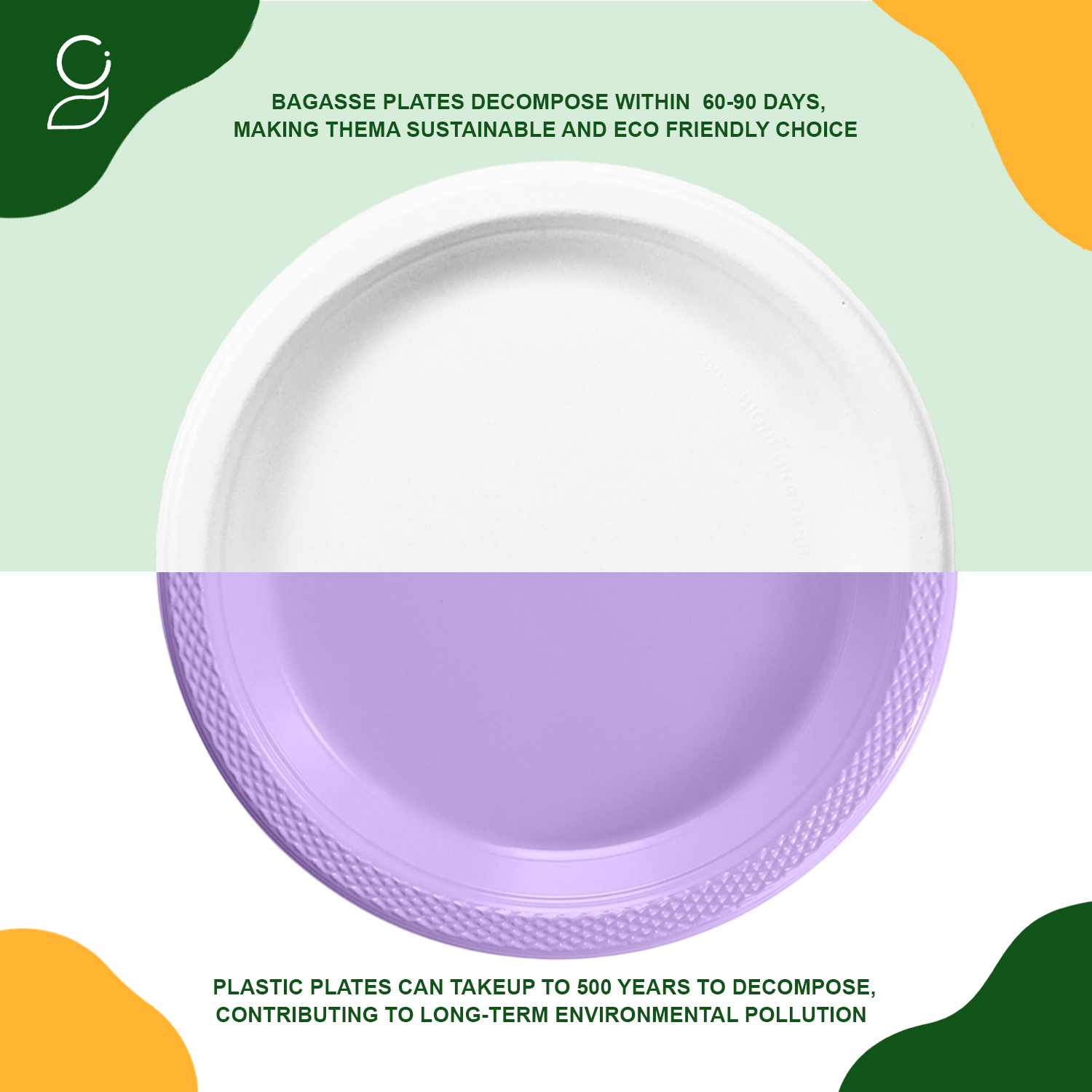
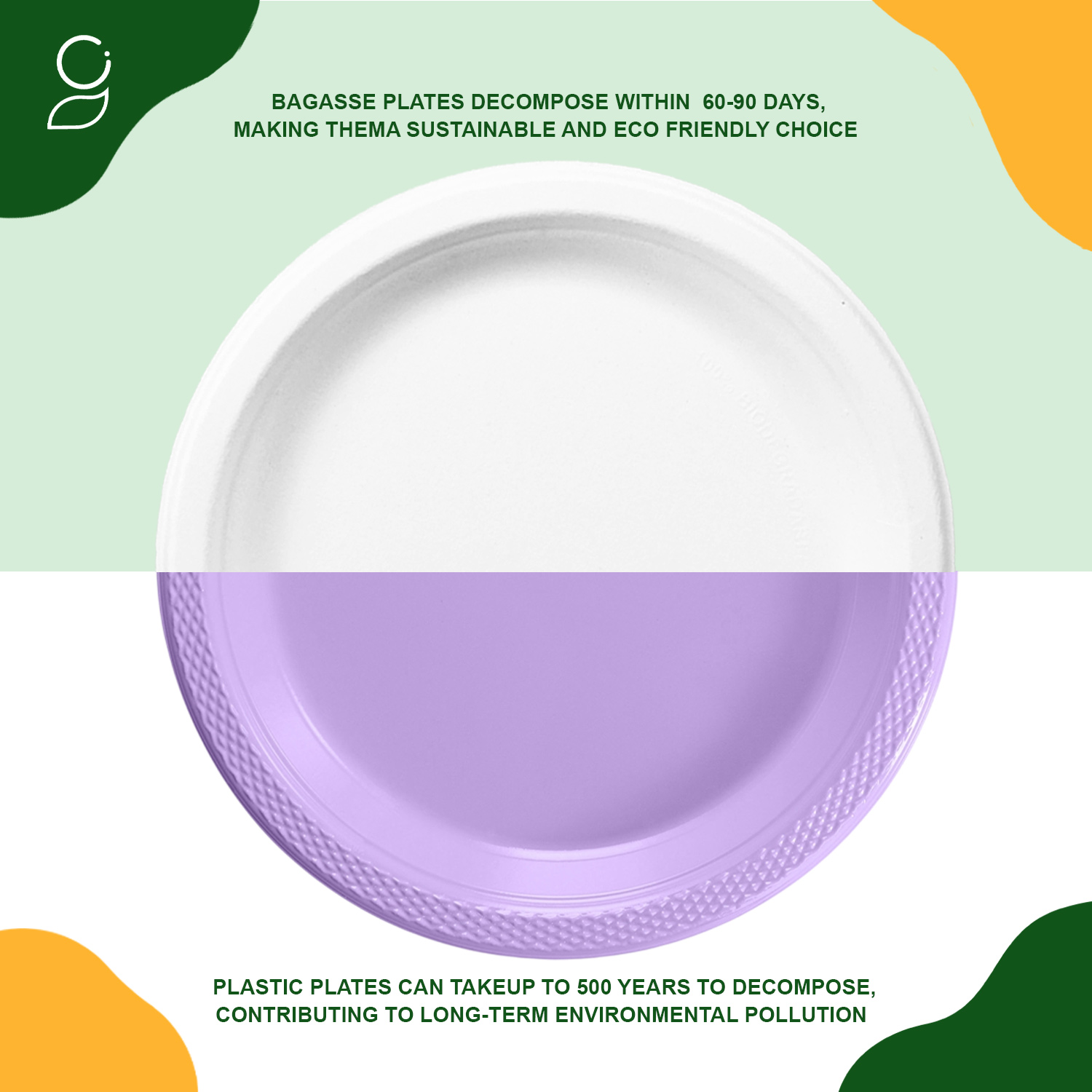
The comparison between bagasse and plastic tableware reveals stark differences in environmental impact, health safety, and long-term sustainability. Plastic tableware is manufactured from petroleum-derived polymers such as polystyrene and polypropylene, materials that require extraction of fossil fuels, energy-intensive refining, and chemical processing. A single plastic plate takes approximately 450 to 1,000 years to decompose in a landfill, and during this process it fragments into microplastics that contaminate soil, water bodies, and enter the food chain. Bagasse tableware, by contrast, is made from sugarcane waste, a renewable agricultural byproduct, and decomposes completely within 90 days in composting conditions.
From a health and safety perspective, the differences are equally significant. Many plastic disposable products contain BPA, phthalates, and styrene, chemicals that can leach into food, particularly when heated. Studies have linked these substances to hormonal disruption, reproductive issues, and increased cancer risk. When plastic plates or containers are used in microwaves or filled with hot food, the rate of chemical leaching increases dramatically. IntuGreen bagasse tableware contains zero synthetic chemicals, no plastic linings, and no artificial coatings. It is FDA certified for direct food contact and is completely safe for use with hot, cold, oily, and acidic foods.
Performance-wise, modern bagasse tableware has closed the gap with plastic alternatives. IntuGreen bagasse products are oil and water resistant, microwave safe, and freezer safe, handling temperatures from minus 20 degrees Celsius to 120 degrees Celsius. They maintain structural integrity for several hours when serving food, which is more than adequate for any meal service scenario. While plastic may offer marginally longer shelf stability in humid conditions, bagasse tableware stored in dry conditions has a shelf life exceeding 12 months. The rigid construction of thermoformed bagasse means these plates and containers do not flex or warp under normal food loads.
The cost comparison has also shifted in favour of bagasse as production scales have increased globally. While bagasse tableware was historically more expensive per unit than plastic, growing consumer demand, government regulations banning single-use plastics, and economies of scale in manufacturing have narrowed the price difference considerably. When factoring in the hidden costs of plastic, including waste management, environmental remediation, and public health impacts, bagasse tableware represents better value for businesses and society. IntuGreen offers competitive bulk pricing that makes the transition financially practical for businesses of all sizes.
Key Benefits
Ready to switch? Explore our bulk purchasing options or learn about the composting process for our food packaging. See our full bagasse tableware products.
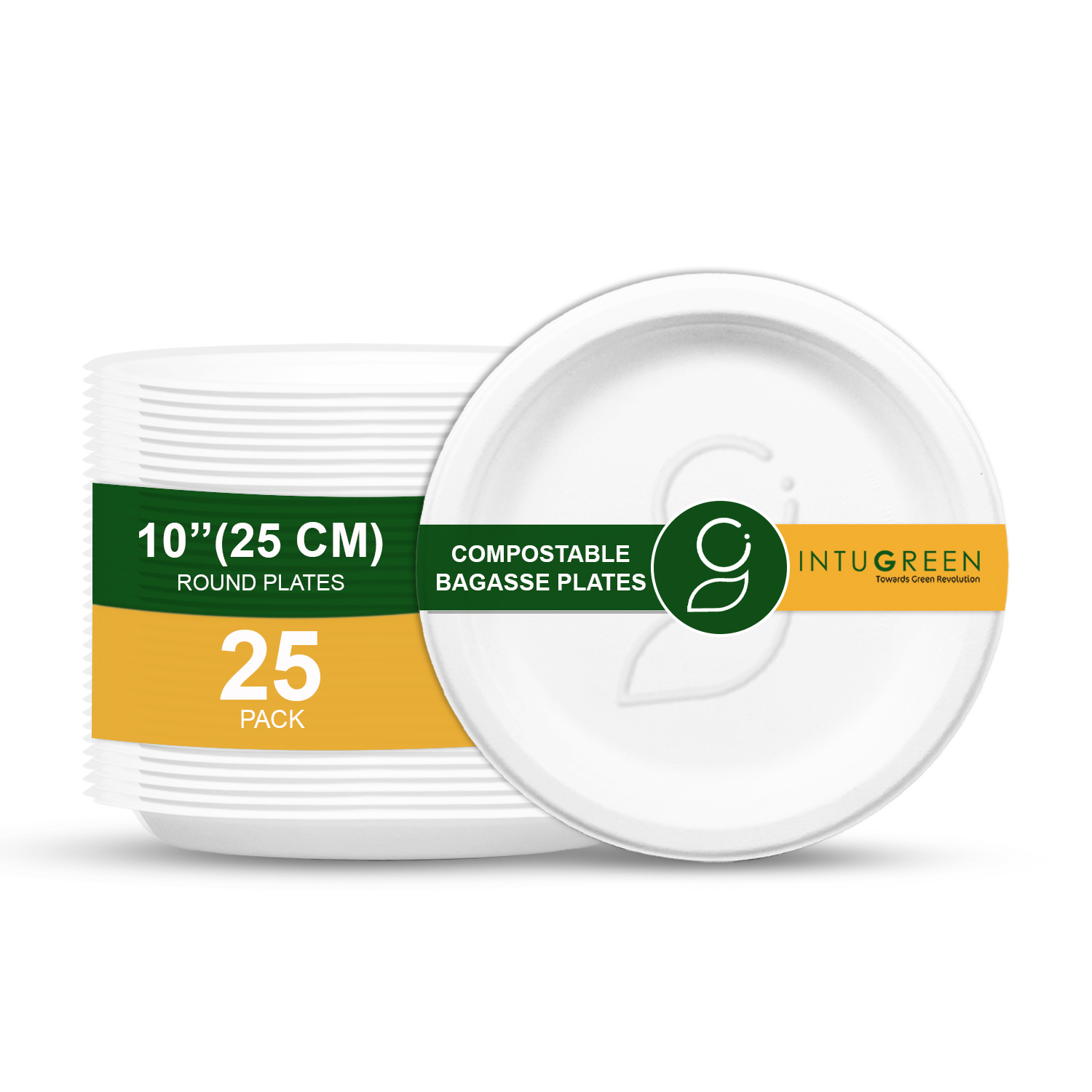 Eco-Friendly Disposable Tableware
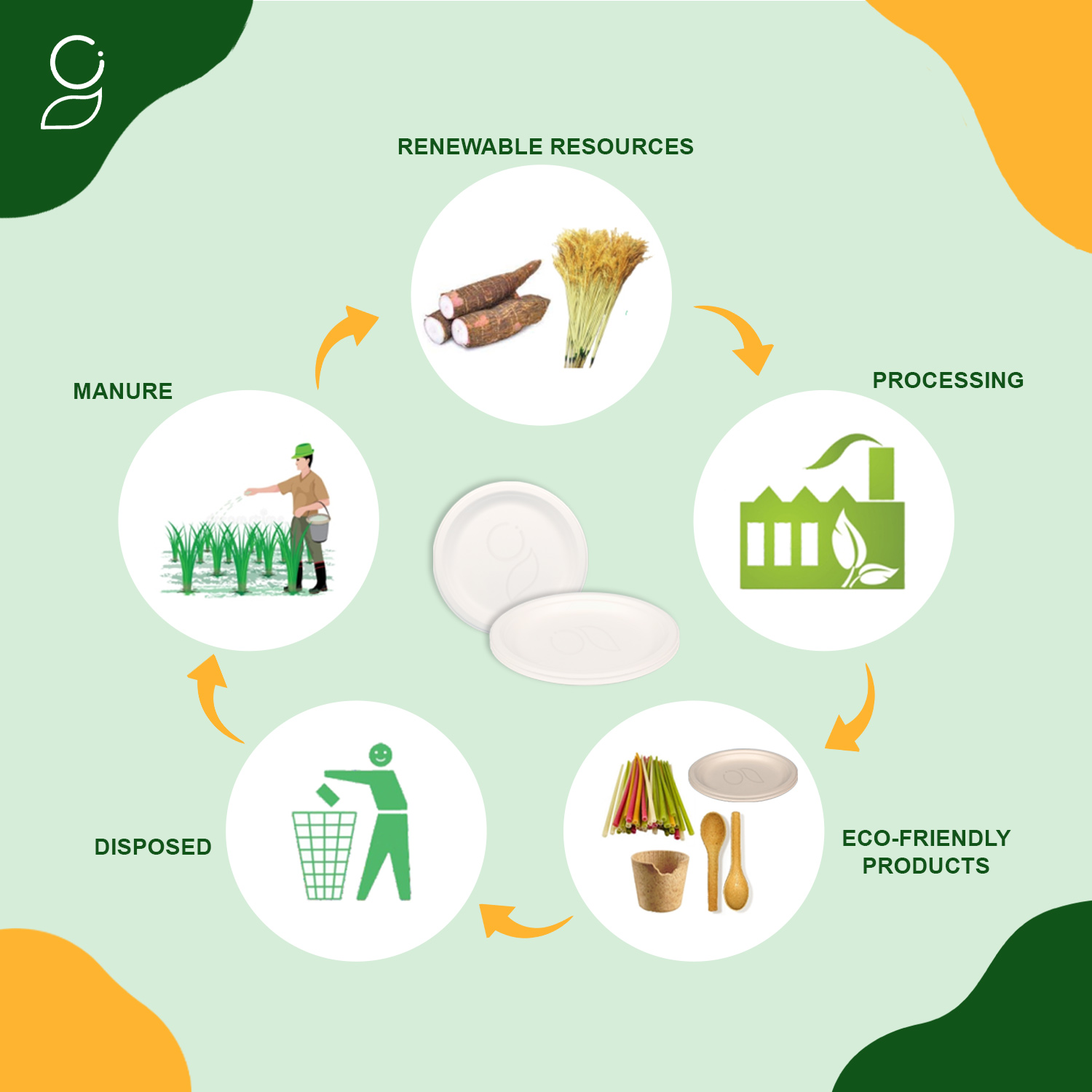 Compostable Food Packaging
 Buy Bagasse Tableware in Bulk
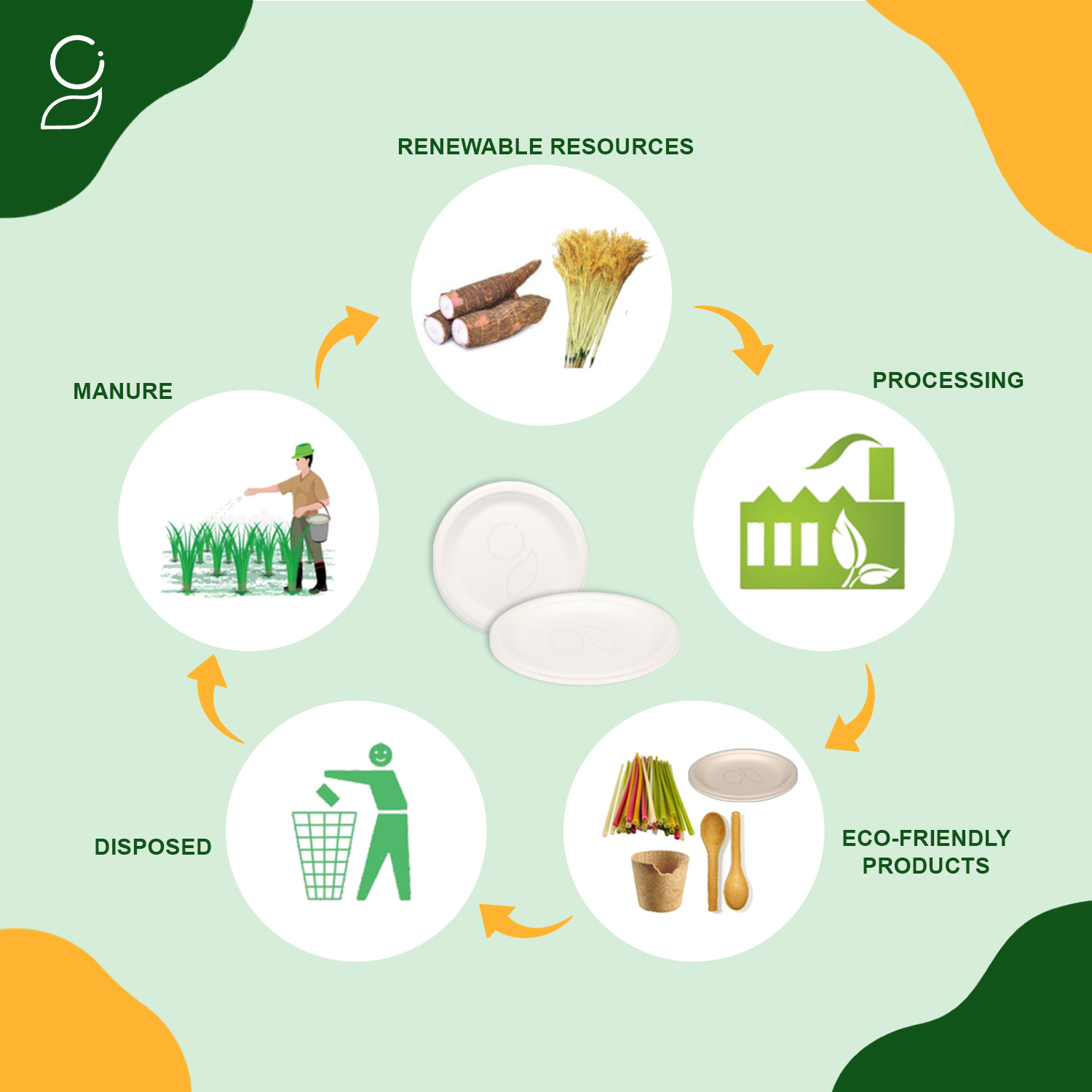 Bagasse vs Plastic: Which Is Better?
 How Long Does Bagasse Take to Decompose?
 Bagasse Tableware Products