Quick Answer
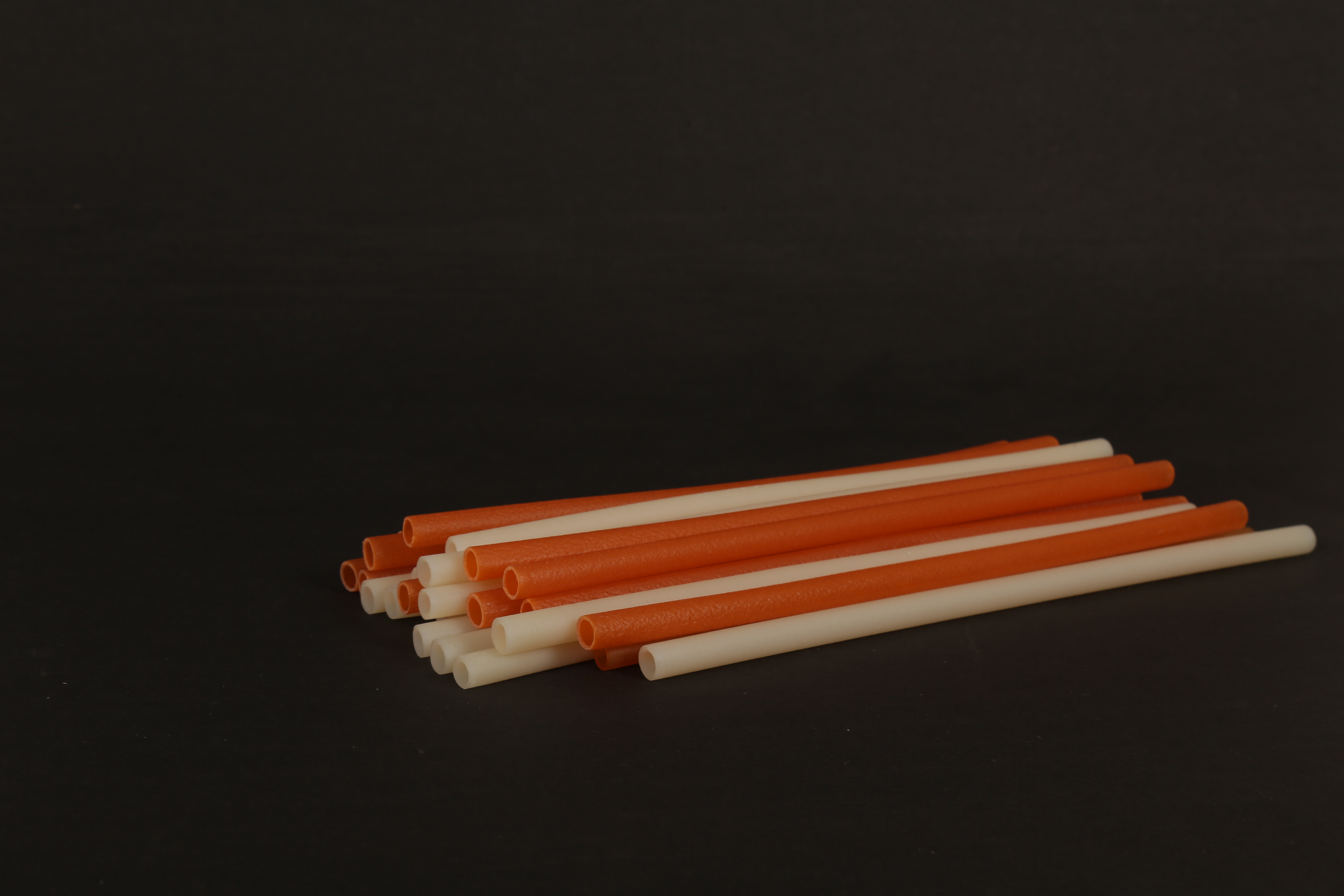
Rice straws offer the best of both worlds—the durability approaching plastic with the environmental benefits exceeding paper. Here's how they compare across key factors:
Detailed Explanation
Rice straws offer the best of both worlds—the durability approaching plastic with the environmental benefits exceeding paper. Here's how they compare across key factors:
Durability: Plastic straws last indefinitely but create permanent waste. Paper straws often become soggy within 15-30 minutes. Rice straws remain firm for 30-60 minutes—practical for real-world use.
Environmental Impact: Plastic straws take 200-500 years to decompose and create microplastics. Paper straws are better but often contain plastic linings and take months to decompose. Rice straws biodegrade in 90 days or can be eaten, leaving zero waste.
Safety: Plastic straws may contain BPA and other chemicals. Paper straws can harbor bacteria in moist environments. Rice straws are made from food-grade ingredients and are completely safe to consume.
Taste: Plastic has no taste but may leach chemicals. Paper often imparts a cardboard flavor. Rice straws remain taste-neutral throughout use.
Cost: Plastic is cheapest per unit but carries hidden environmental costs. Paper and rice straws have similar pricing, with rice straws offering superior performance and sustainability value.
Overall, rice straws represent the most balanced solution for businesses and consumers seeking practical sustainability.
Related Question
You might also want to know: Who Can Use Edible Rice Straws?